 Nest box
The camera goes live soonStreaming on YouTube

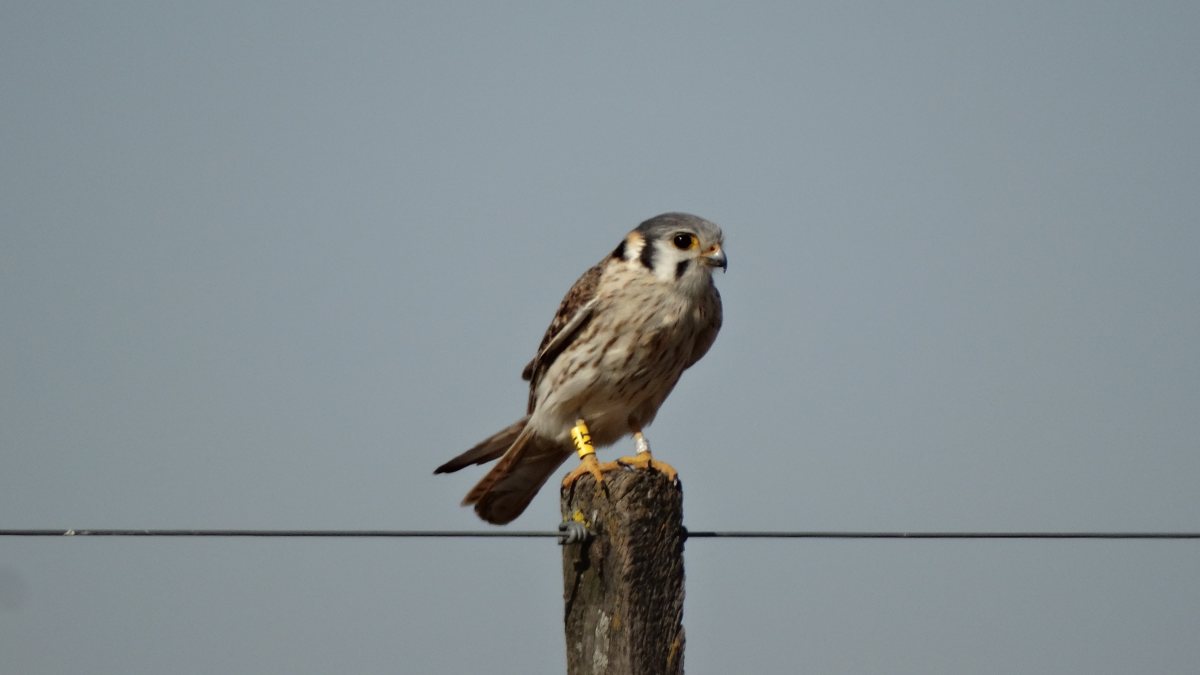
We stream live from an American Kestrel nest box. The Chaco Eagle nests will join soon.
The smallest falcon in our landscapes. It breeds in nest boxes that we install and check every spring.
Nest box
It lays a single egg per season. After leaving the nest, the young bird depends on its parents for more than eight months.
 Nest 1
[Nest update, one line, refreshed every week.]
 Nest 2
[Nest update, one line, refreshed every week.]
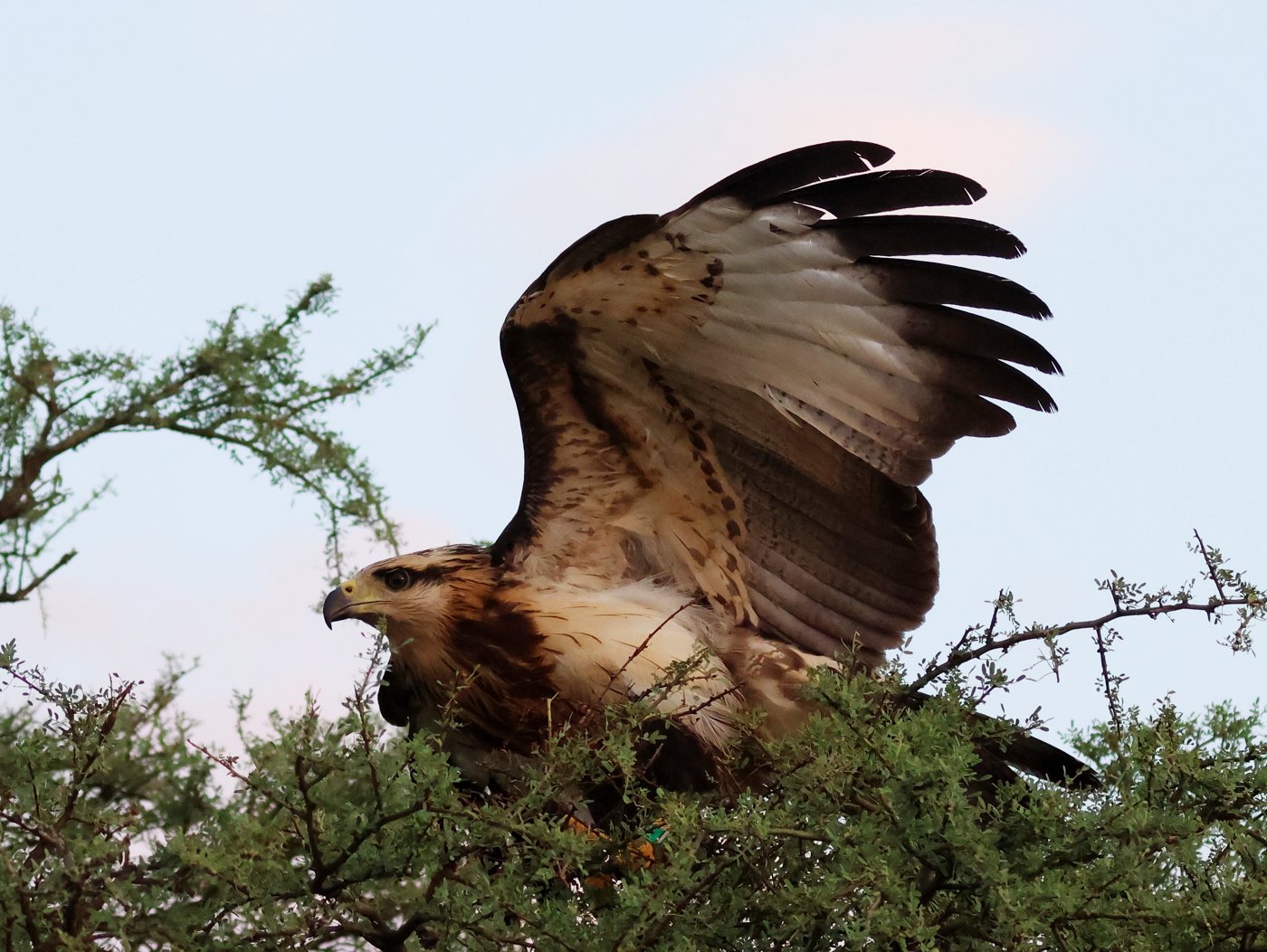
Chavela and Pampero’s chick fledged in March. After the winter he began his dispersal.
Read the storyCloseYupanqui is the chick of Chavela and Pampero, a Chaco Eagle pair that we follow with cameras. He fledged on 14 March 2026 and we went months without news of him, until he reappeared.
After leaving the nest, Yupanqui stayed with Chavela and Pampero within their breeding territory, which can cover thousands of hectares. His parents fed him and taught him to hunt so that he could fend for himself.
Over the winter, Yupanqui became more skilled at flying and hunting. Then came the end of post-fledging dependence, the moment when a juvenile leaves its parents’ territory and begins its dispersal.
Thanks to the cameras, we observed for the first time in this species how the parents drive the juvenile away from the nest and the territory, and stop feeding it even when it begs for food.
If he survives the threats the species faces, Yupanqui may reach adulthood and breed. Only a small proportion of juveniles do.
For years it was thought that the Chaco Eagle bred every two years, because juveniles depend on their parents for so long. A genetic study by our team showed that it can breed every year. Now we are also seeing it live: Chavela and Pampero have already begun preparing the nest for a new attempt.
Read the genetic studyPhoto: Ricardo Battistino
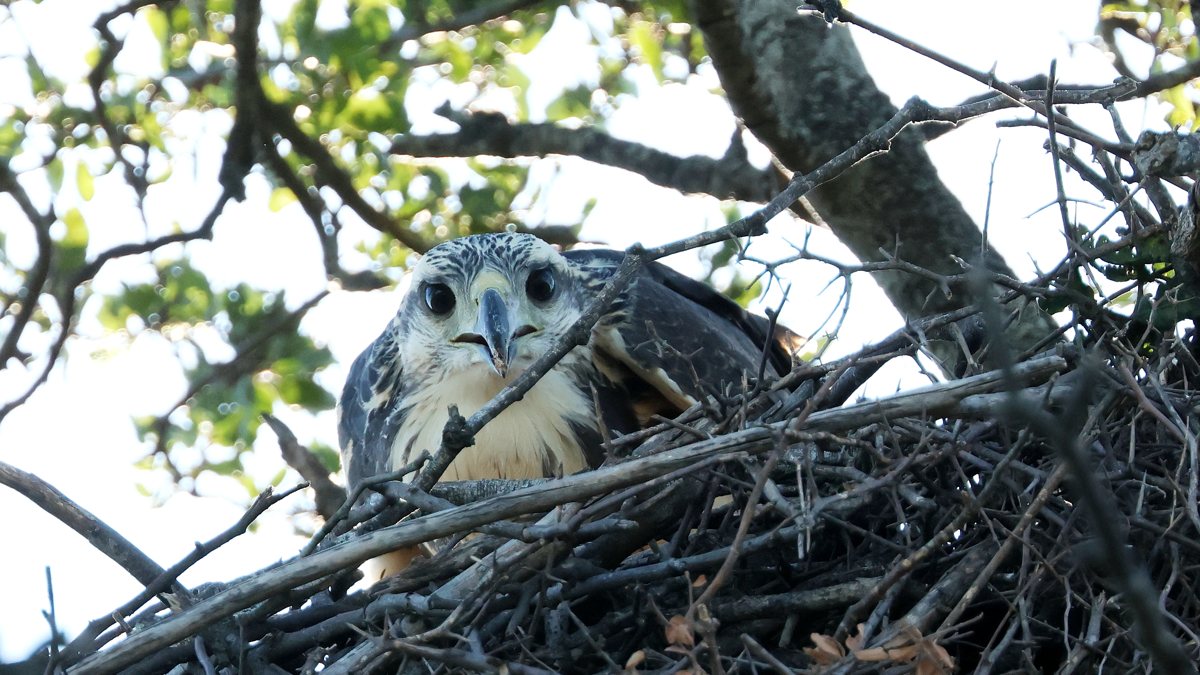
From 2 to 14 March 2026 we streamed around the clock from a Chaco Eagle nest, until Yupanqui fledged.
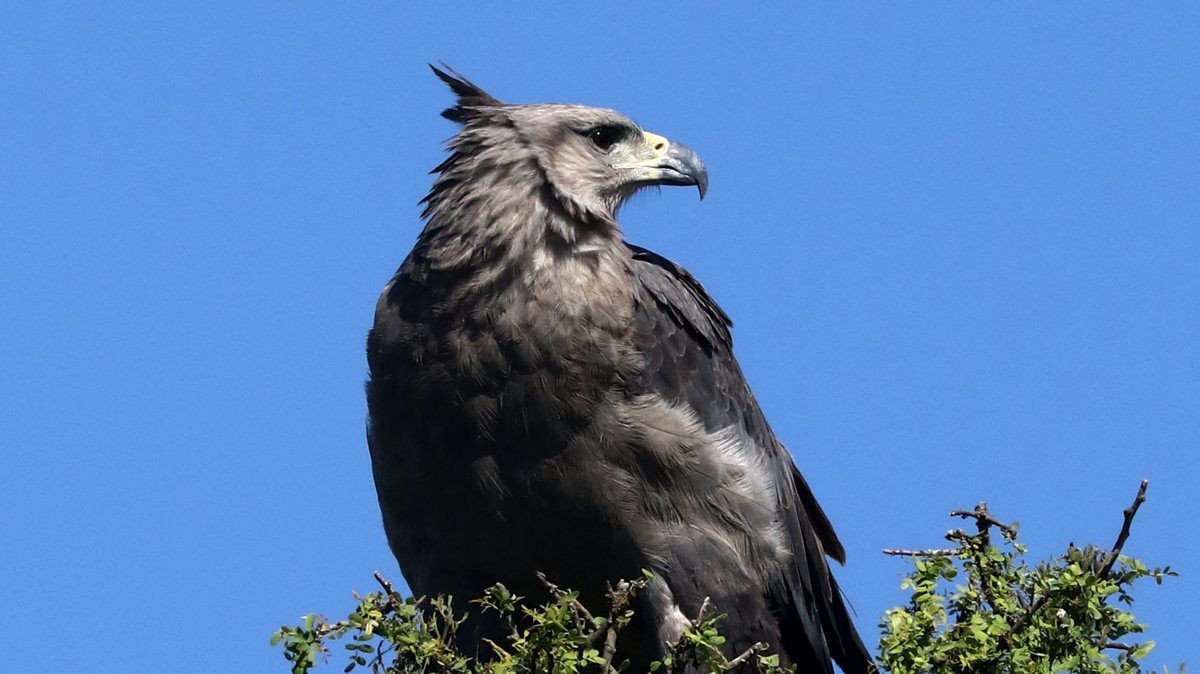
To protect the nests, their locations are kept confidential. When a camera is off air, we show what it recorded.
The streams need equipment, power and a connection in the field. Your donation keeps them running all season, and every recording adds to the research.
Donate