Central Argentina
See the project
Power lines
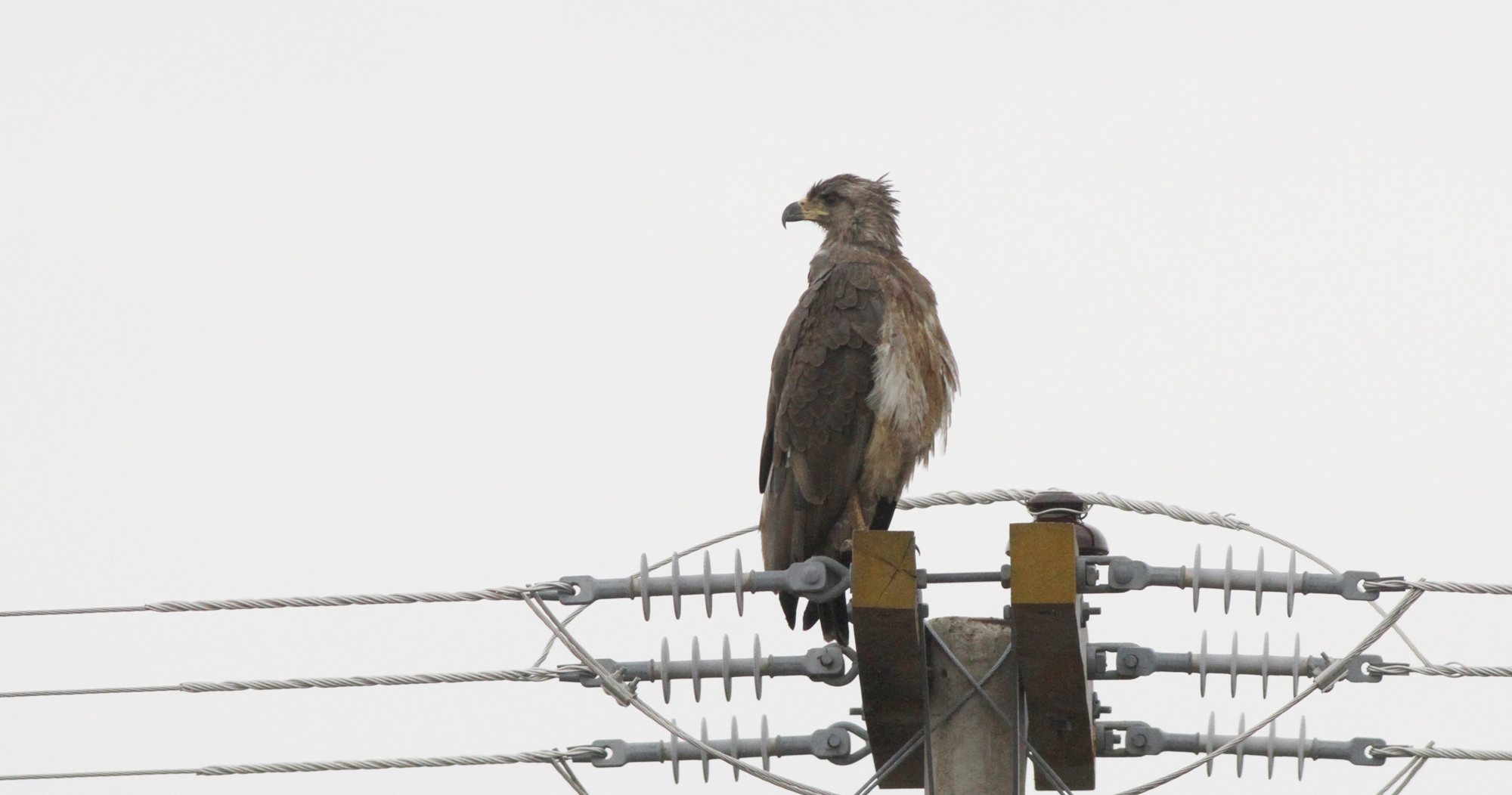
For ten years we have surveyed power lines in central Argentina to record the birds killed by electrocution and identify the poles that put them at risk.
1,379poles surveyed

Research and conservation since 2001: the places where we work and the projects we run today.
Tap each point to zoom in and see the projects and who took part.
For ten years we have surveyed power lines in central Argentina to record the birds killed by electrocution and identify the poles that put them at risk.
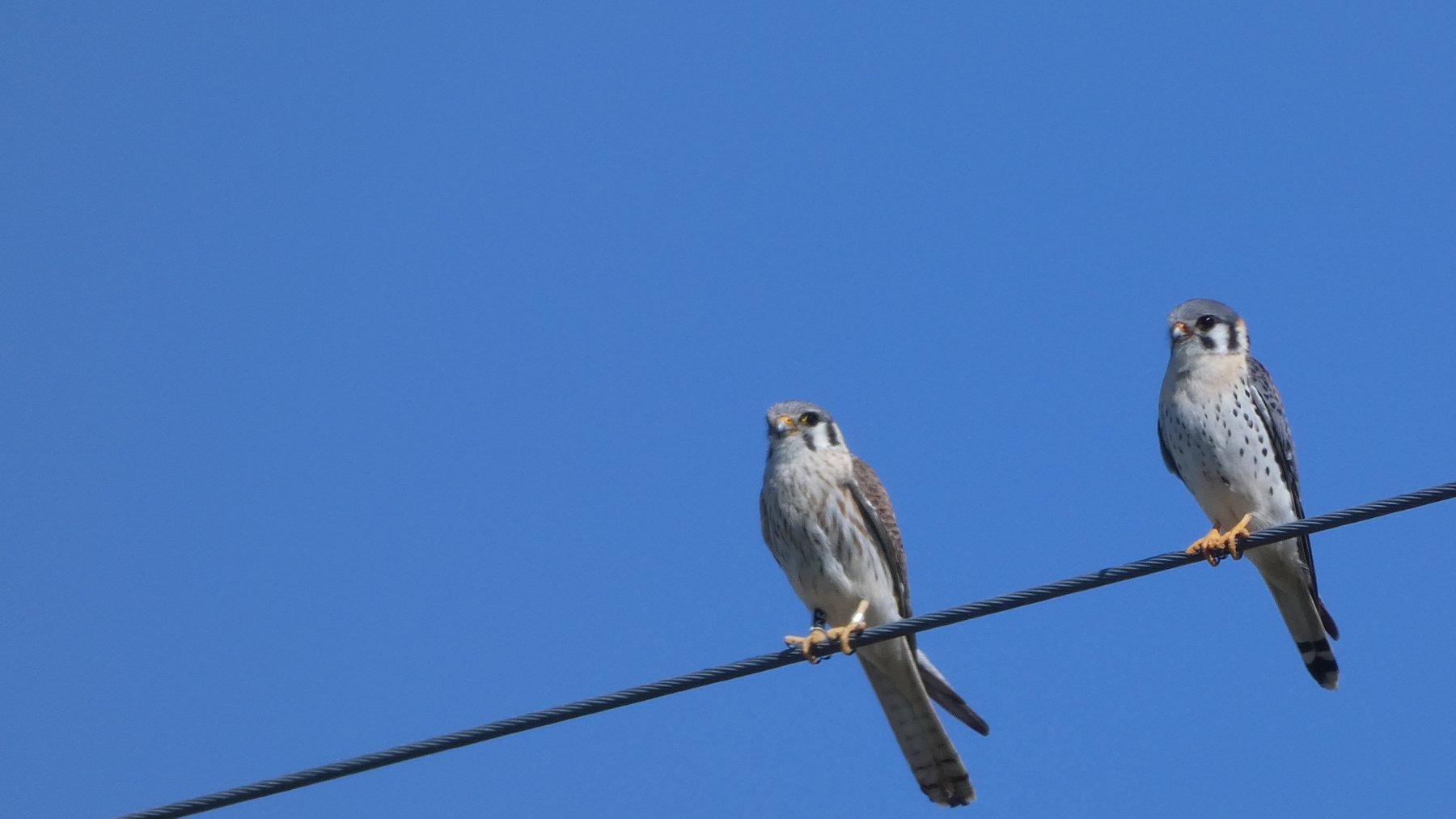
We have studied the American Kestrel since the centre began. We follow its breeding with nest boxes installed in areas with different land uses. Today it starts breeding about fifteen days earlier than when monitoring began.
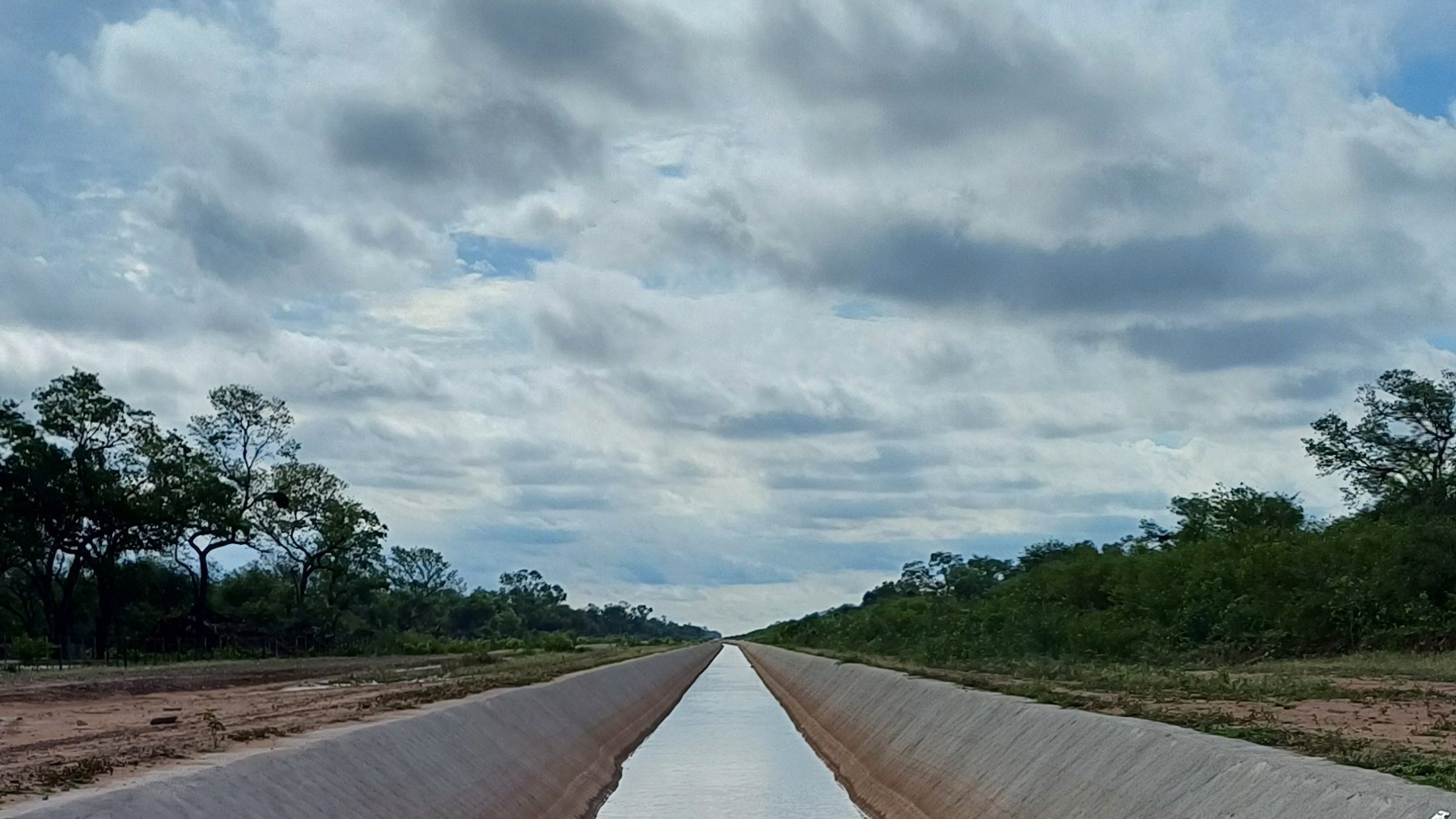
A 250-kilometre open water canal cuts through the Chaco forest in Santiago del Estero. Animals that fall in cannot get out. In six surveys we recorded 207 drowned animals of 35 species.
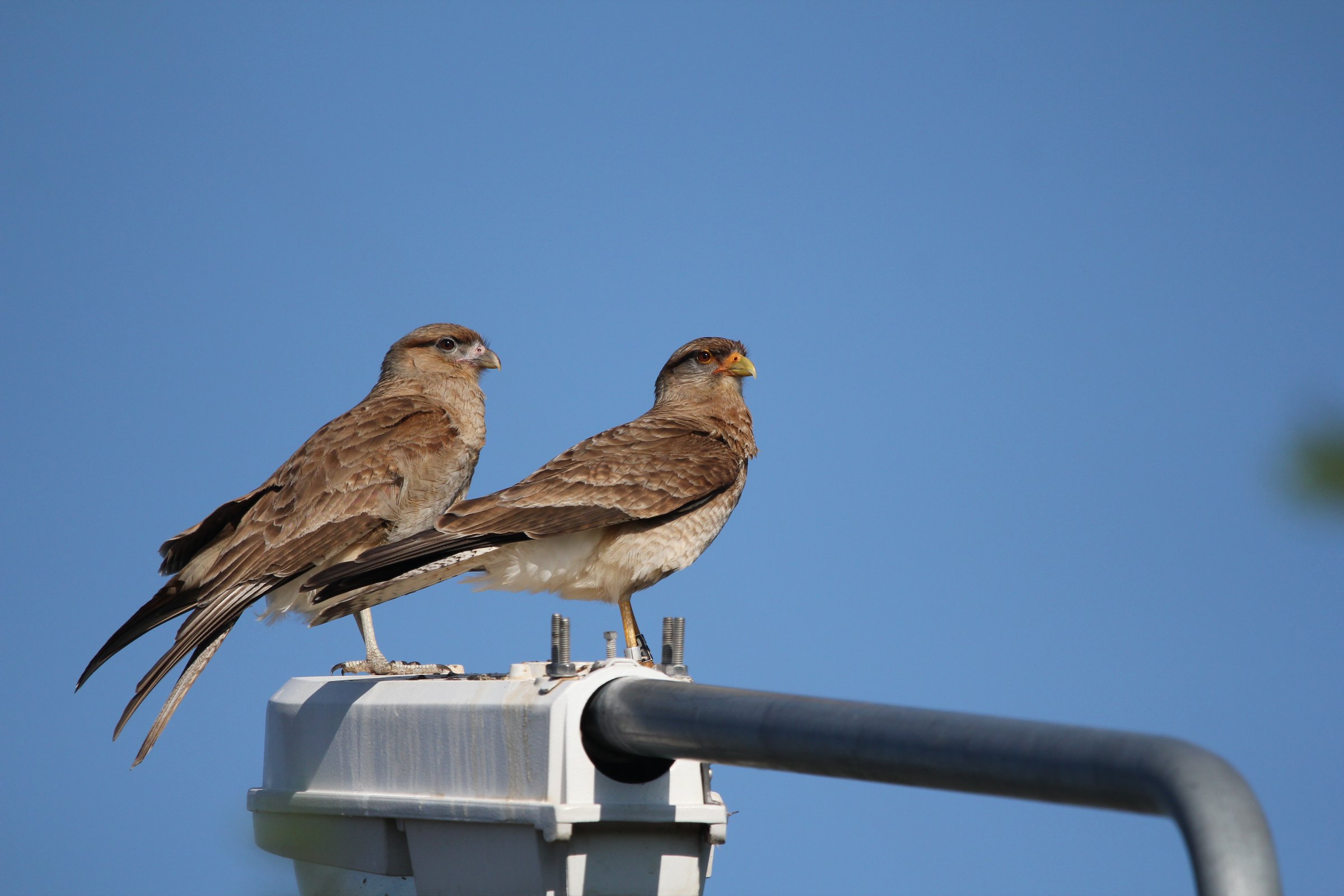
The Chimango Caracara is the most common bird of prey in much of the country and one of the best at using environments modified by people. Since 2008 we have studied its ecology and behaviour in urban areas of central Argentina. In a colony in a neighbourhood near Santa Rosa, with 80 to 90 nests per season, we found that its breeding depends on the distance between nests and not on human presence. We were also the first to describe how the male and female share chick-rearing.
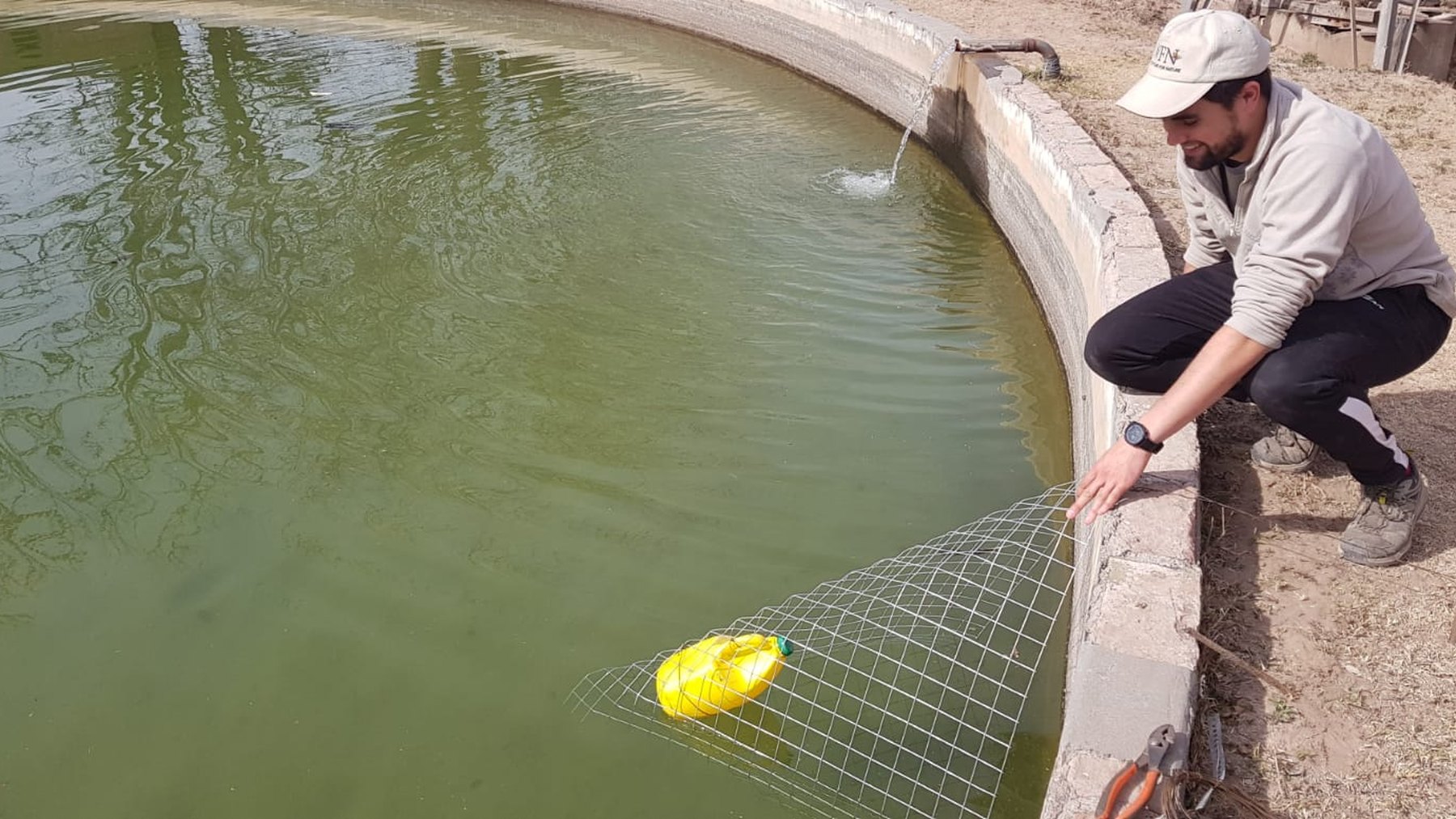
We estimate that about 250,000 birds drown each year in La Pampa's Australian tanks (the open-top water tanks used for livestock). The species recorded include the Chaco Eagle and the Yellow Cardinal, both endangered. Escape ramps let them climb out of the water: we tested their effectiveness in the field and have already installed more than 300 with farmers in the region.
See the project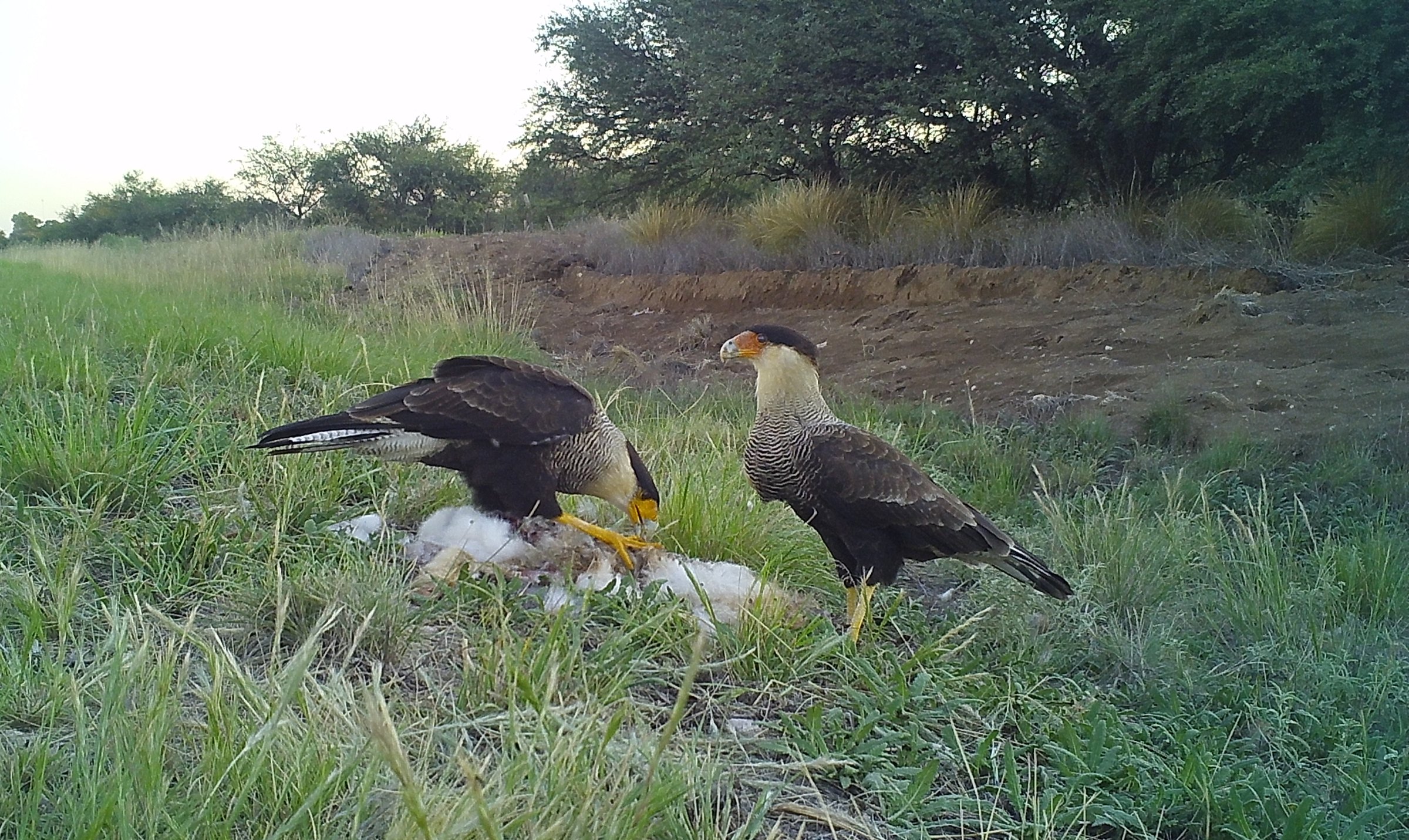
Scavengers remove dead animals from the environment: they recycle nutrients and help control disease. It is one of the least studied ecosystem functions. With camera traps we record which species feed on cow and sheep carcasses in La Pampa. We identified ten, including the Southern Crested Caracara, the Pampas Fox and two species of vultures. Fewer scavengers reach croplands than natural areas.